Indonesian Rupiah Falls to a Record Low
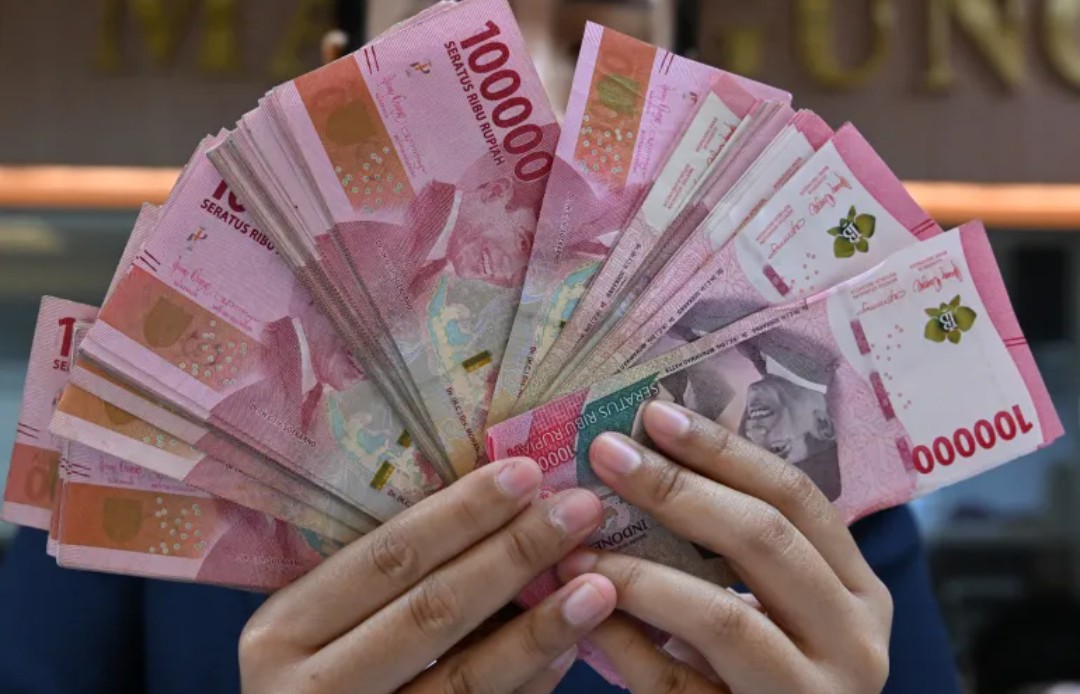
The Indonesian rupiah has reached its weakest level ever against the U.S. dollar. Amid rising energy costs, the currency has weakened to a point where more than 18,000 rupiah are needed to buy one U.S. dollar.
This is considered an important psychological and numerical threshold that has attracted the attention of investors and the public.
Despite recent efforts by the central bank to support the currency, the rupiah stood at 18,028 per U.S. dollar as of Thursday (June 4).
The energy shock caused by the U.S.-Israel war against Iran has placed significant pressure on Southeast Asian economies that rely on energy imports, particularly Indonesia and the Philippines.
Pressure on trade balances has contributed to capital outflows and weaker currencies.
Hostilities in the Gulf region escalated again on Wednesday, June 3, causing oil prices to rise by more than 1%.
The rupiah’s decline has been driven by increased demand for U.S. dollars due to higher oil prices and a narrowing trade surplus.
In addition to regional uncertainty, the United States has proposed an additional import tariff of 10% or 12.5% on goods from 60 economies, including Indonesia, Malaysia, and Singapore, over allegations related to forced labor practices.
Indonesia, a net oil importer, has been particularly affected by rising crude oil prices. However, the government has emphasized that subsidized fuel prices will remain unchanged.
The country's trade surplus fell sharply to US$89 million in April, down from US$3.3 billion a month earlier, further reducing the supply of U.S. dollars in the Indonesian market, according to the government.
In an effort to stabilize the rupiah and control inflation, the central bank raised its benchmark interest rate by 0.5 percentage points to 5.25% last month. This was the first rate increase in two years.
The central bank’s spokesperson, Ramadan Denny Prakoso, said on Wednesday that the bank would continue to use all available policy tools to maintain adequate foreign-exchange liquidity.