Disrobing and the Presidential Pardon! Shall We Debate.. Get Excited..?
The entire country is talking about the disrobing of Gnanasara Thero. Social media is ablaze with discussions about the battle to obtain a presidential pardon. Arguments flow back and forth, both for and against. While we sit back, taking all this in, do we have any time to look into where this country's economy is headed?
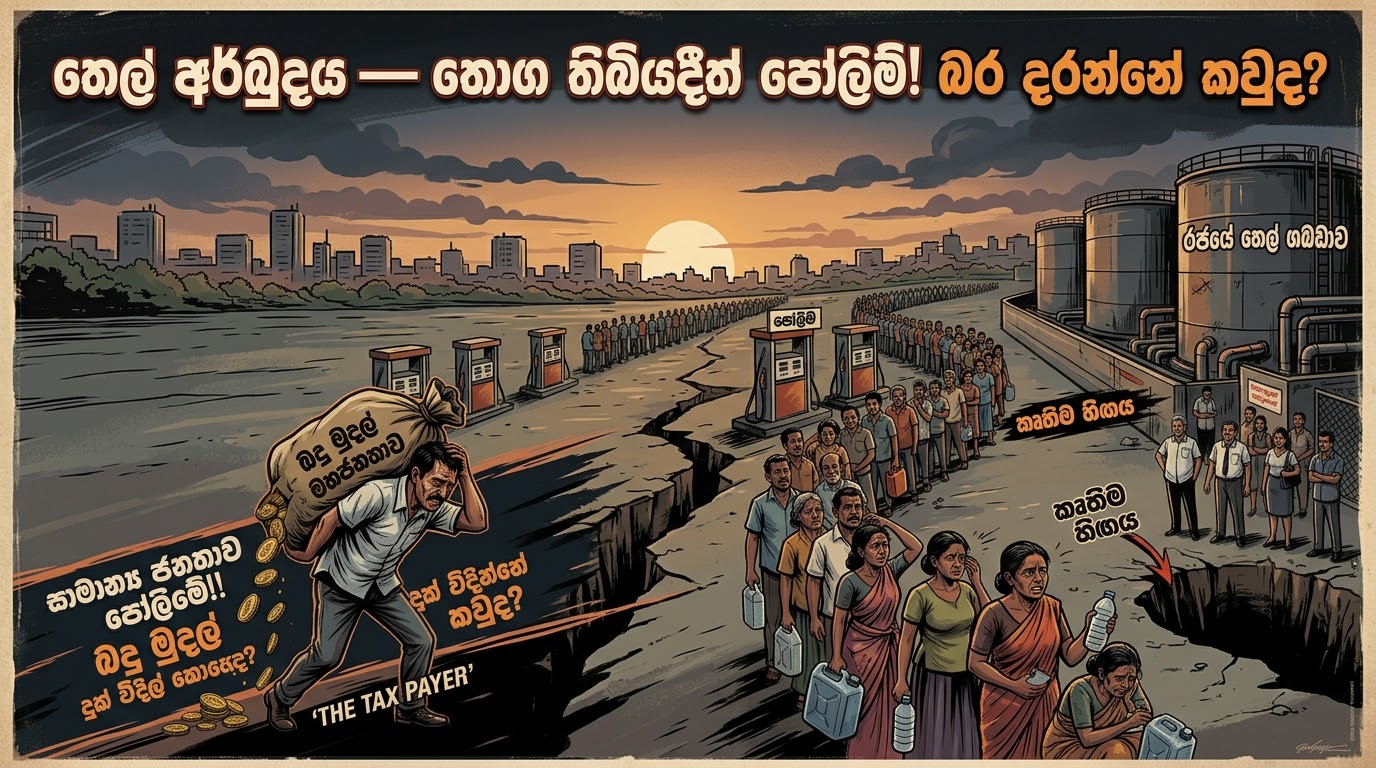
This is not to say that issues regarding a country’s law, religion, the Buddhist clergy, and presidential pardons are unimportant. They should indeed be discussed. However, when the public’s attention revolves solely around these topics, if the economic issues directly affecting our daily lives slip away from public discourse, it becomes a serious social problem.
While the whole country grows heated over a robe on one side, should the warnings issued by the World Bank regarding the country’s economic future slip out of our focus on the other side?
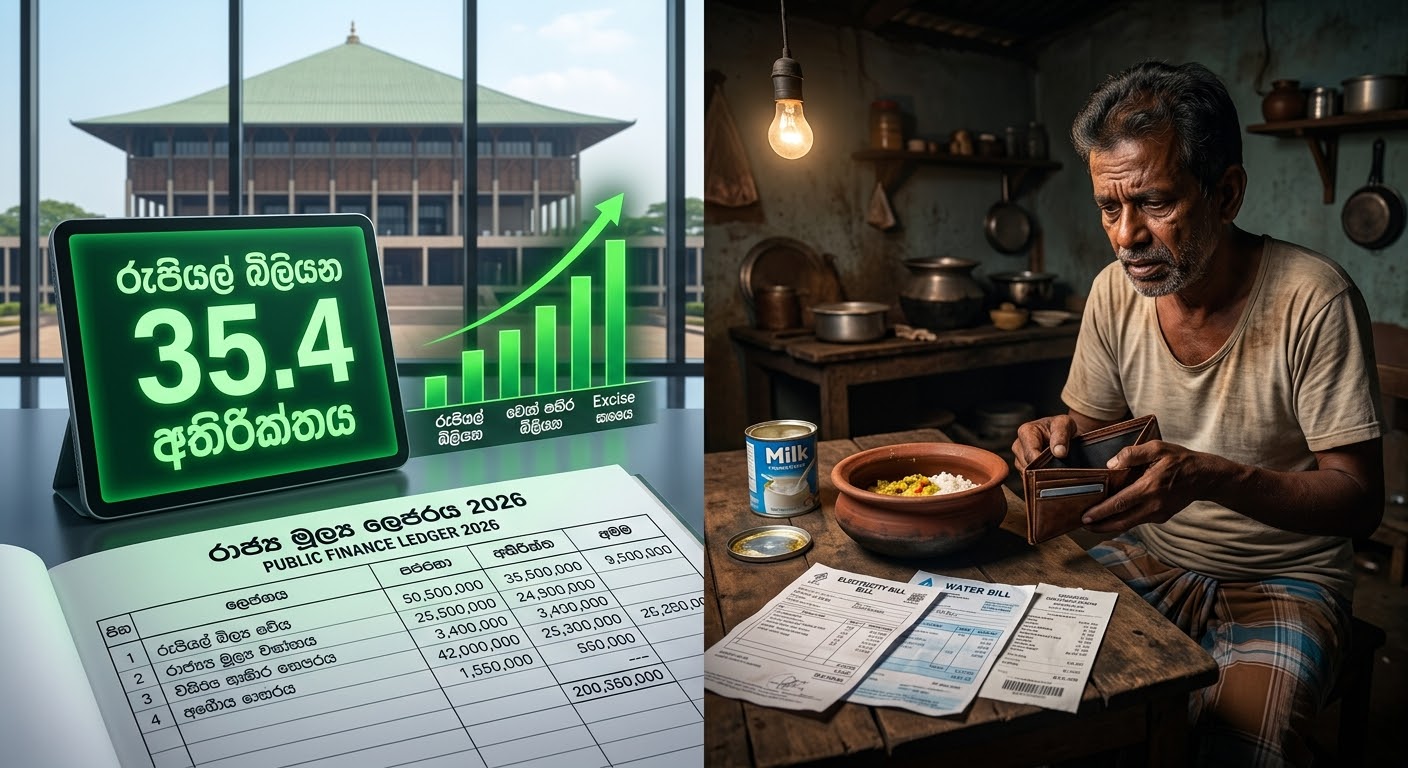
They say the economy is growing! But what do the people actually feel?...
According to the World Bank’s October 2026 assessment, Sri Lanka’s economy is projected to grow by 4.4% in 2026 and 4.2% in 2027.
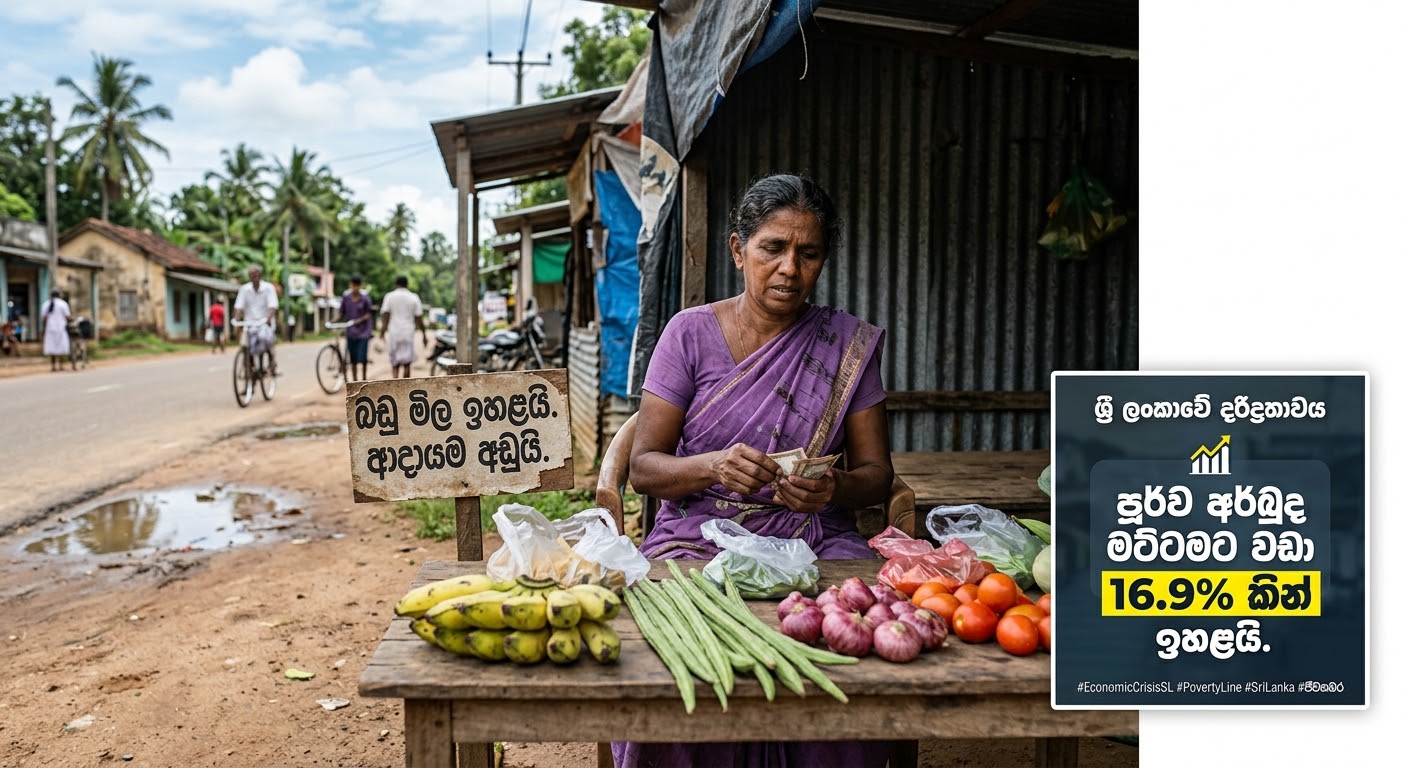
However, the very same report emphasizes that the economic recovery remains incomplete and uneven. The poverty rate for 2025 is estimated at 16.9%. Issues persist in the labor market, and resurfacing inflationary pressures could diminish the gains in people's real incomes.
There is something we must understand from these statistics.
Even if the country's Gross Domestic Product (GDP) increases, the income of every family does not necessarily go up. Even if there is economic growth, not every young person gets a job. Even if the country’s exports rise, there is no guarantee that those benefits will be distributed fairly among the public.
In a society that fails to understand the gap between economic growth and making life easier for ordinary people, showing economic statistics alone will not make the public happy.
Which direction is the World Bank pointing us toward?...
The World Bank’s primary message is that we should not settle merely for economic stabilization, but instead move toward an economic transformation that drives production, private investment, exports, and productivity.
Rather than selling raw materials like tea, coconut, cinnamon, rubber, and seafood, higher revenues can be earned by exporting them as value-added finished goods.
Farmers must be provided with technology, credit, and market facilities. Processing industries linked to agriculture, storage facilities, transportation networks, and export infrastructure must be developed.
Furthermore, inefficient public spending must be reviewed, and resources redirected toward productive investments. However, under that guise, informally cutting off essential subsidies and social protection for the poor is not a solution.
These are not issues that can be resolved overnight. Yet, if a social dialogue on these matters does not take place today, how severe could the price we have to pay tomorrow be?
What could happen tomorrow if we don’t think about the economy today?..
If exports and investments do not grow sufficiently, job shortages and poverty may persist. If foreign exchange earnings weaken, renewed pressure could fall on the stability of the rupee and import costs. Weak economic growth could limit government tax revenues, making debt servicing and maintaining essential public services even more difficult.
Along with this, if public dissatisfaction regarding the cost of living, wages, taxes, and employment grows, there is also a risk of trade union actions, public protests, and a weakening of trust in the government.
This is not an inevitable prophecy. But how can we deny that a deep discussion regarding the country's economy is necessary before such risks emerge?
Who controls our attention? What are we forgetting?.....
There is nothing wrong with discussing Gnanasara Thero’s robe, the presidential pardon, and the arguments presented for or against them. The problem arises if, while discussing those matters, we forget to talk about the public's cost of living, wages, jobs, tax burden, the farmer's income, the future of our youth, and the country's capacity to earn foreign exchange.
Which topic garners the most attention on social media and which topic is most important for the country can be two very different things.
We can debate religious and political events for days. But how much money can a family save from their monthly income after paying for food? Does a graduate youth get a suitable job? Does a farmer get a fair price for their produce? Can a small business move forward? Are we equally interested in finding answers to these questions?
While public attention revolves around a robe, if people lose focus on the economic decisions that directly impact their lives, ultimately, it is the people themselves who pay the price.
This is not an accusation made without evidence that someone is intentionally distracting the public. It is a question that must be asked regarding our collective attention, media priorities, and social responsibility.
Questions we must ultimately ask..
Let us talk not only about whether a robe was taken off or not, but also about how the country’s economy can be built.
Let us inquire not only about whether a presidential pardon should be granted or not, but also about whether the economic environment necessary for an ordinary citizen to live a decent life exists.
Let us examine not only the statements of politicians, but also the outcomes of their economic policies.
The World Bank report reminds us that the country's economic recovery is still incomplete. Turning that recovery into growth that improves the living standards of the people is a challenge not just for the government, but for all responsible institutions and society as a whole.
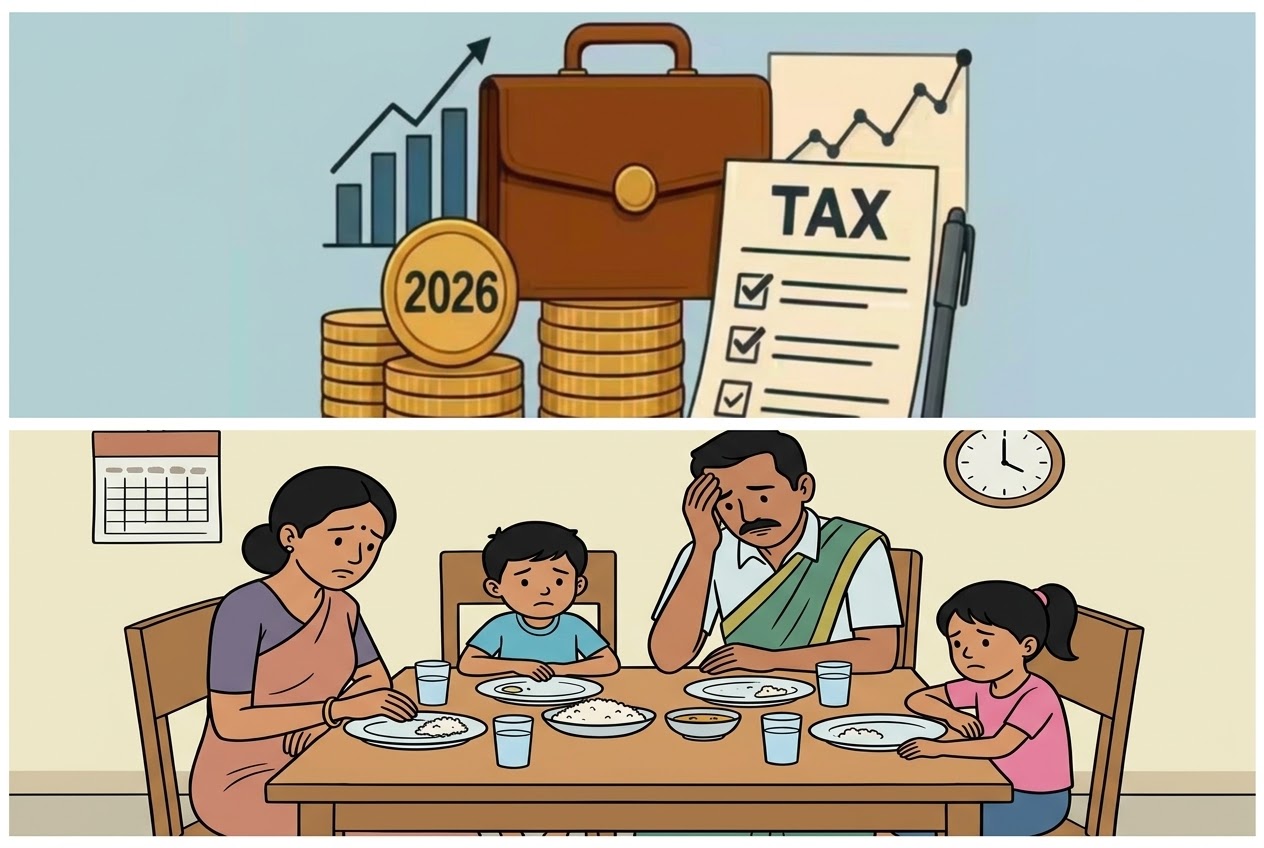
We can spend a whole day debating over a robe. But tomorrow morning, a family struggling with the cost of living still has to face their own economic reality.
Therefore, the question is not whether we should avoid talking about the robe. The question is whether we are as ready to talk about our country's economy and the future of its people as much as we talk about the robe.
A country's future is determined not by the topic most talked about on social media on a given day, but by how much attention society pays to solving the real problems of its people.
Jayalathge Sunil Gamini ✍️