The Red Wave Rising in Europe and What It Signals for Sri Lanka’s Future Struggles...
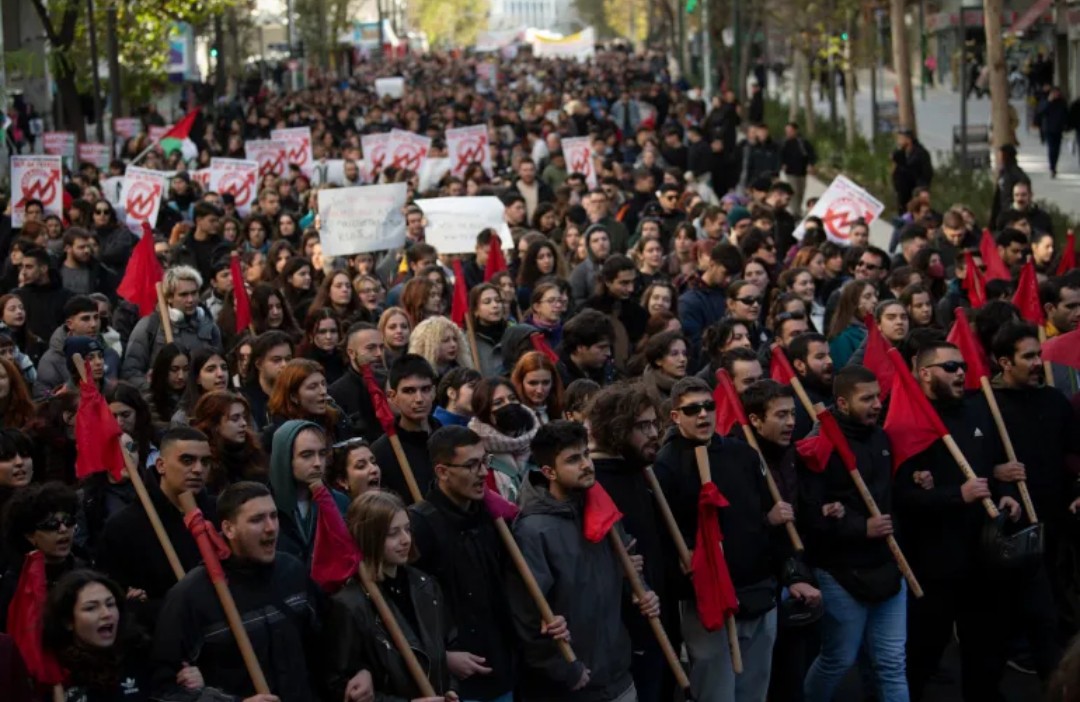
“A Red Wave Sweeps Across Europe: Students Wave Communist Flags in Front of the Greek Parliament!”
This is more than just a headline; it is an expression of class consciousness among the younger generation around the world, increasingly squeezed by the capitalist system.
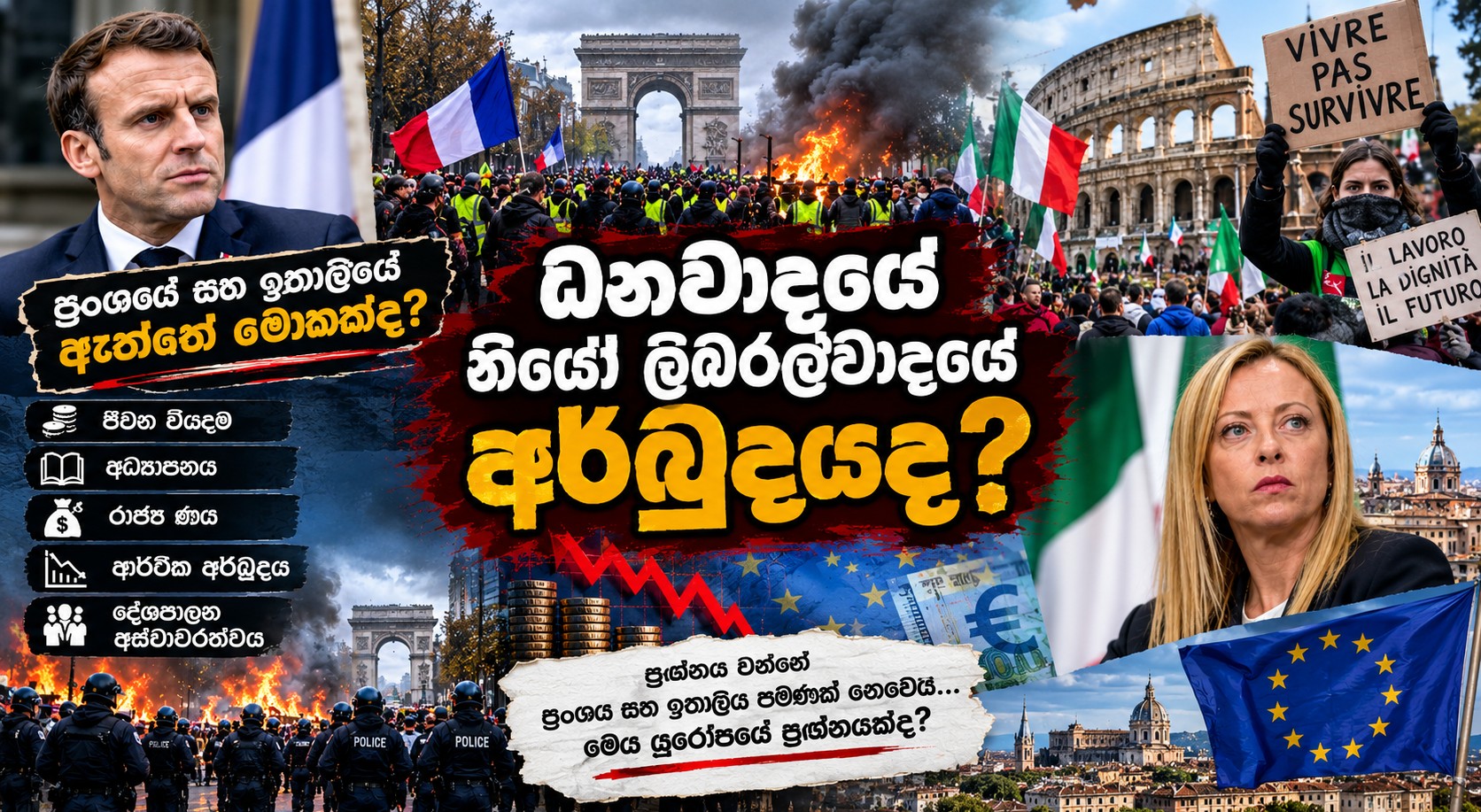
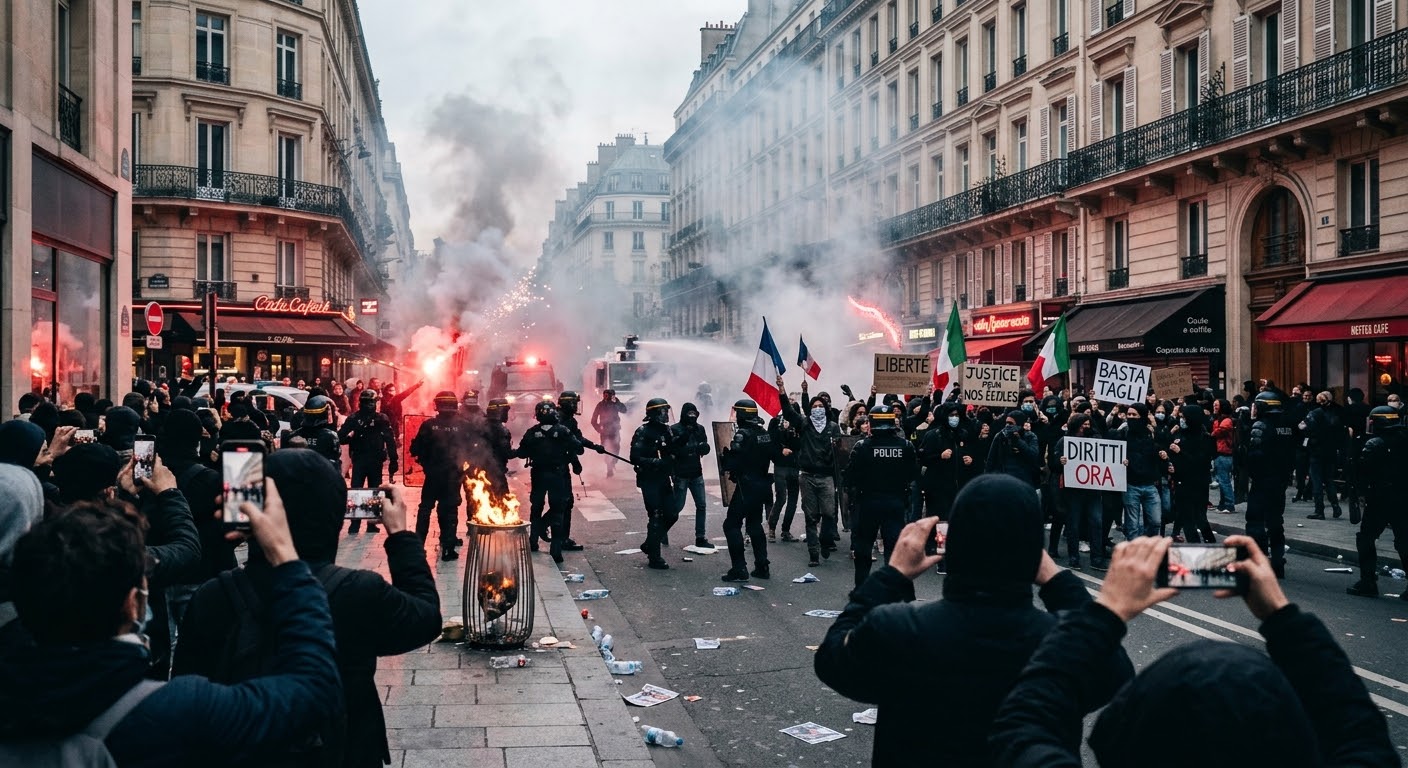
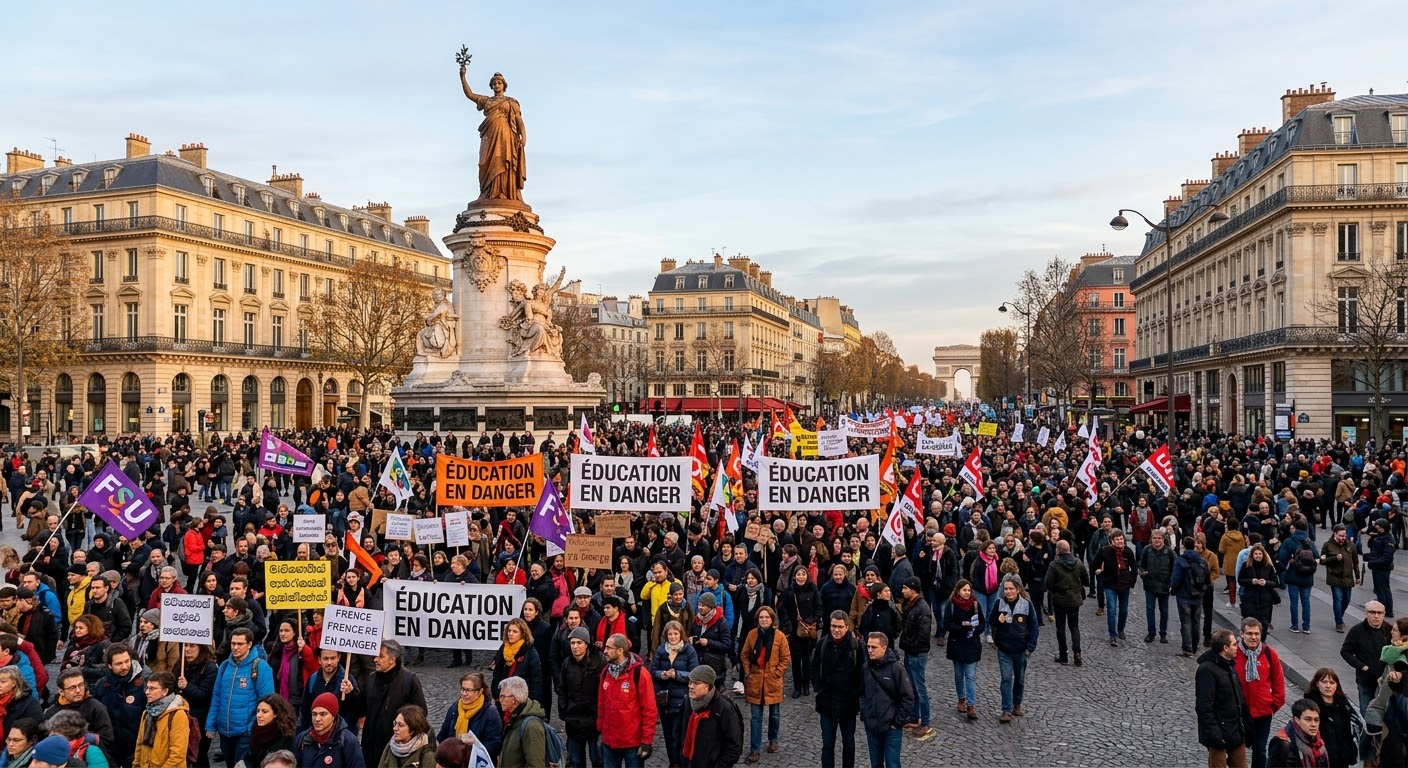
Today, a massive wave of left-wing student and workers’ struggles is emerging across Europe, including France and Greece. In particular, in Athens, Greece, thousands of students, teachers, and workers have taken to the streets, waving red flags in unison in Syntagma Square and in front of the Greek Parliament.
What is driving this uprising?
Resistance to the commodification of education: In opposition to the legalisation of private universities and cuts to free education, students across the country have occupied university campuses and launched class boycotts.
The cost-of-living crisis and the housing crisis: Faced with high inflation, rising rents, and cuts to public welfare, young people and the working class are being deprived of their right to a decent life.
Student–worker solidarity: Left-wing student organisations such as the KNE, alongside the KKE (Communist Party of Greece), are taking the lead. Accompanied by the powerful anthem “The Internationale,” they have emerged as a formidable force against the decisions of those in power.
The Implications for Sri Lanka and the Challenge of Legal Repression..
The “Red Wave” emerging in Europe offers Sri Lanka both direct inspiration and an important political signal.
Common socio-economic problems: The privatisation of education, the rising cost of living, and cuts to social welfare under the conditions imposed by the International Monetary Fund (IMF) are crises shared by Europe and Sri Lanka alike.
The risk of suppressing struggles through new laws: Various civil society groups, student organisations, and trade unions have warned that the ruling class may be preparing to suppress future popular struggles and protests through the 22nd Constitutional Amendment introduced by the Sri Lankan government, together with other new laws and legislative measures being proposed alongside it.
There are sufficient grounds for the public to take seriously the warnings that this legal framework could be shaped in ways that restrict people’s fundamental rights, freedom of expression, and the right to take to the streets in protest.
Struggles Cannot Be Suppressed by the Military or the Law
Nevertheless, the struggles unfolding across Europe once again demonstrate that no matter how many new laws and regulations those in power introduce, rising public discontent and economic unrest cannot be contained through legislation alone.
The organised mobilisation of Europe’s youth will serve as a powerful example and a source of inspiration for student movements and popular struggles in Sri Lanka.
“Rights are not simply something to be requested; even in the face of unjust laws, they are something that must be won through struggle.”
It is difficult to believe that the spirit of this struggle, now ignited across Europe, can be prevented from re-emerging in Sri Lanka in the future against repression and unjust legal frameworks.
Jagath G. Bandara ✍️