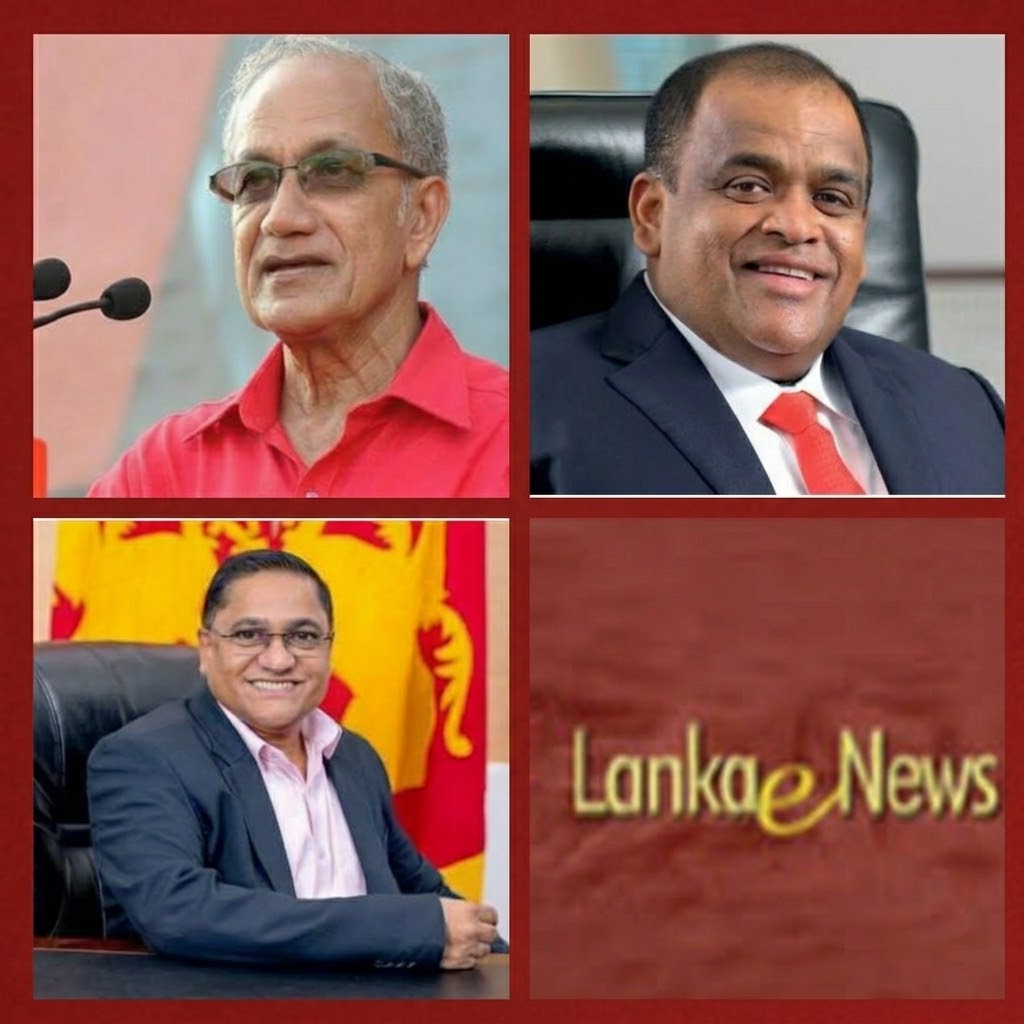
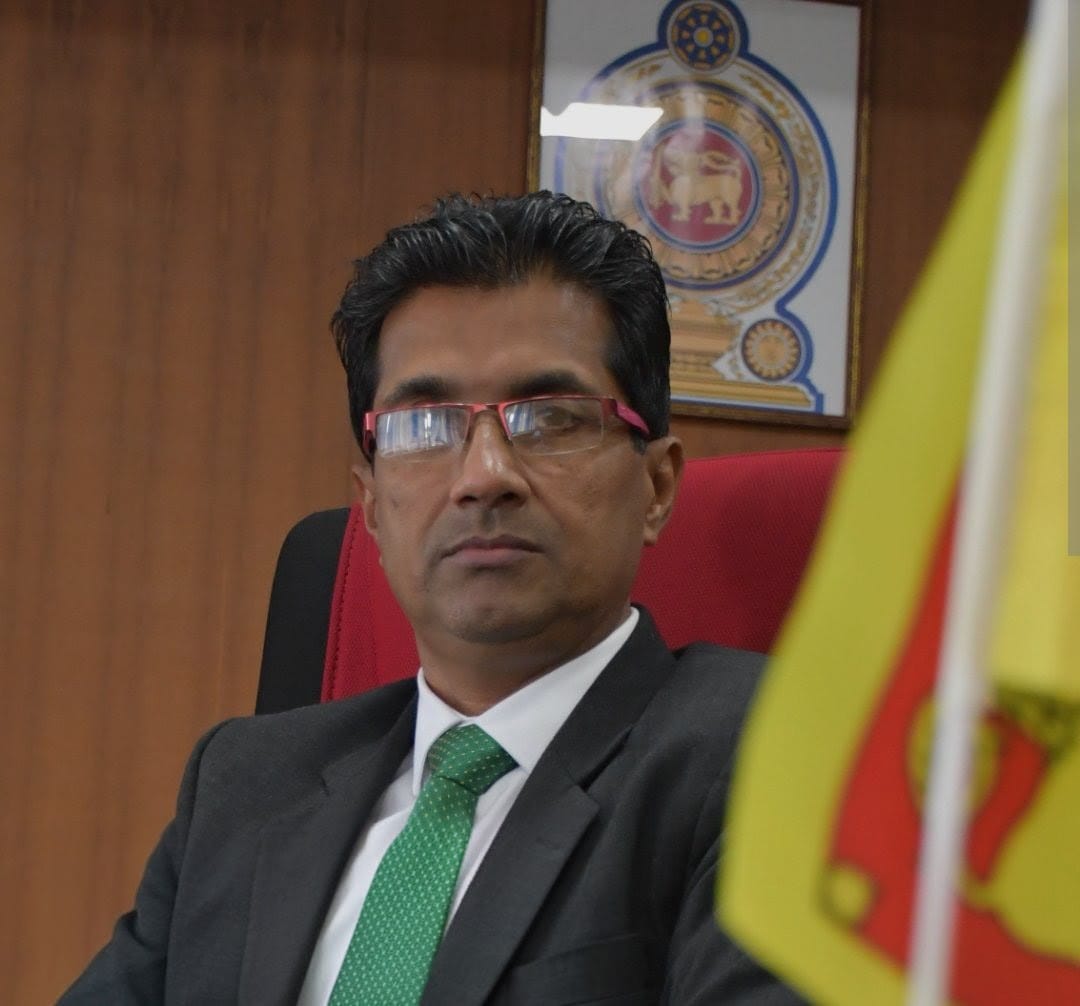
Is the Bar Association in good health? Has Rajiv fallen from grace?
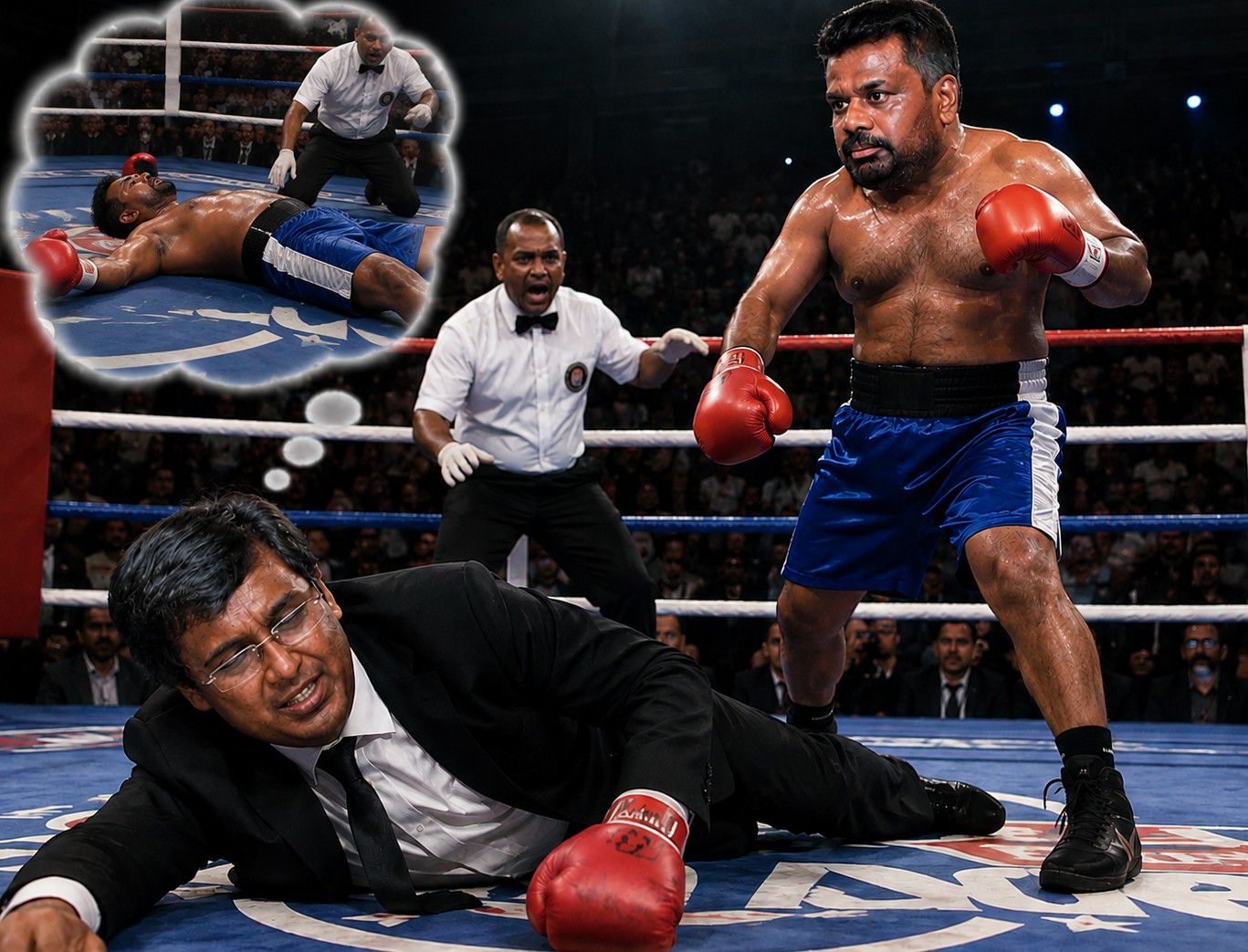
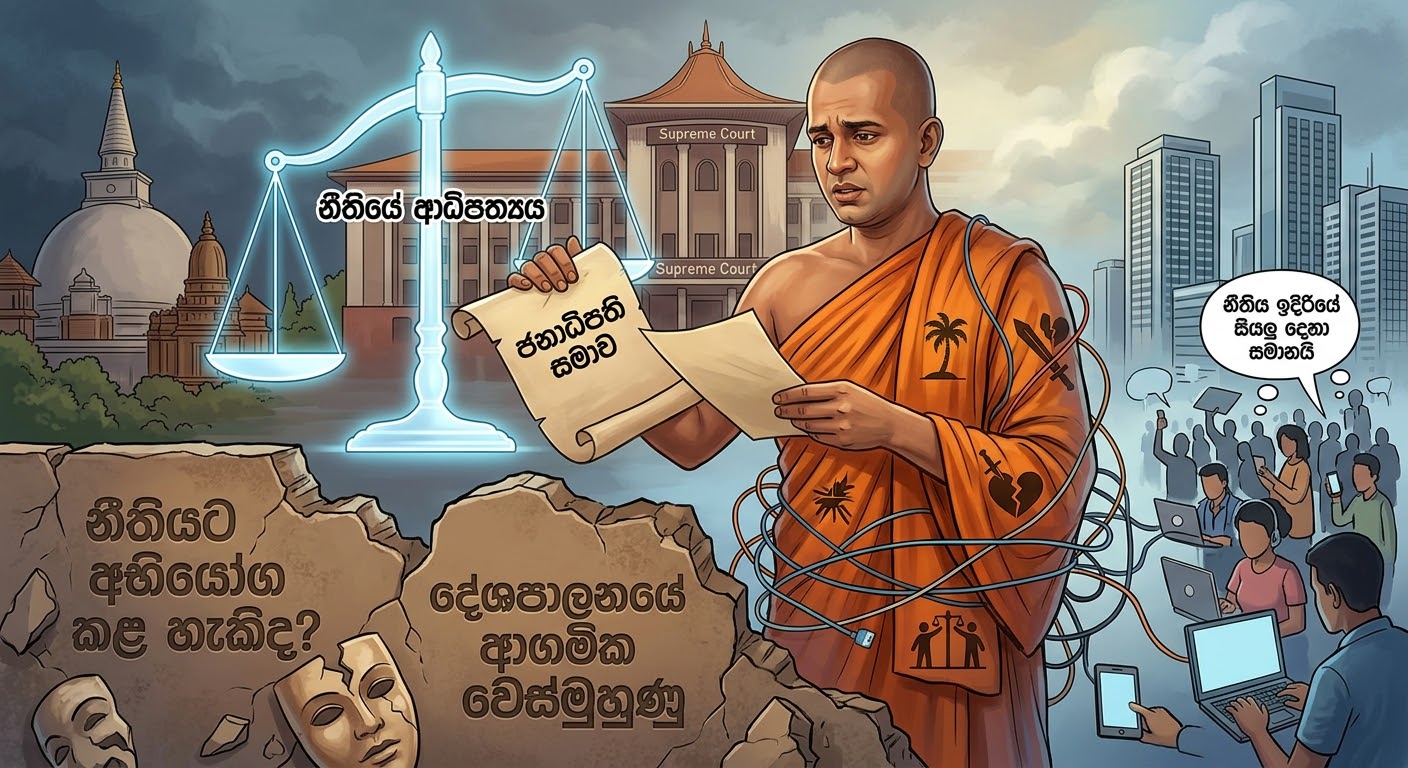
A discussion was held between the Bar Association and President Anura Kumara Dissanayake on the 12th of August at the Presidential Secretariat regarding the 22nd Amendment to the Constitution, which has caused a great deal of controversy in Sri Lanka.
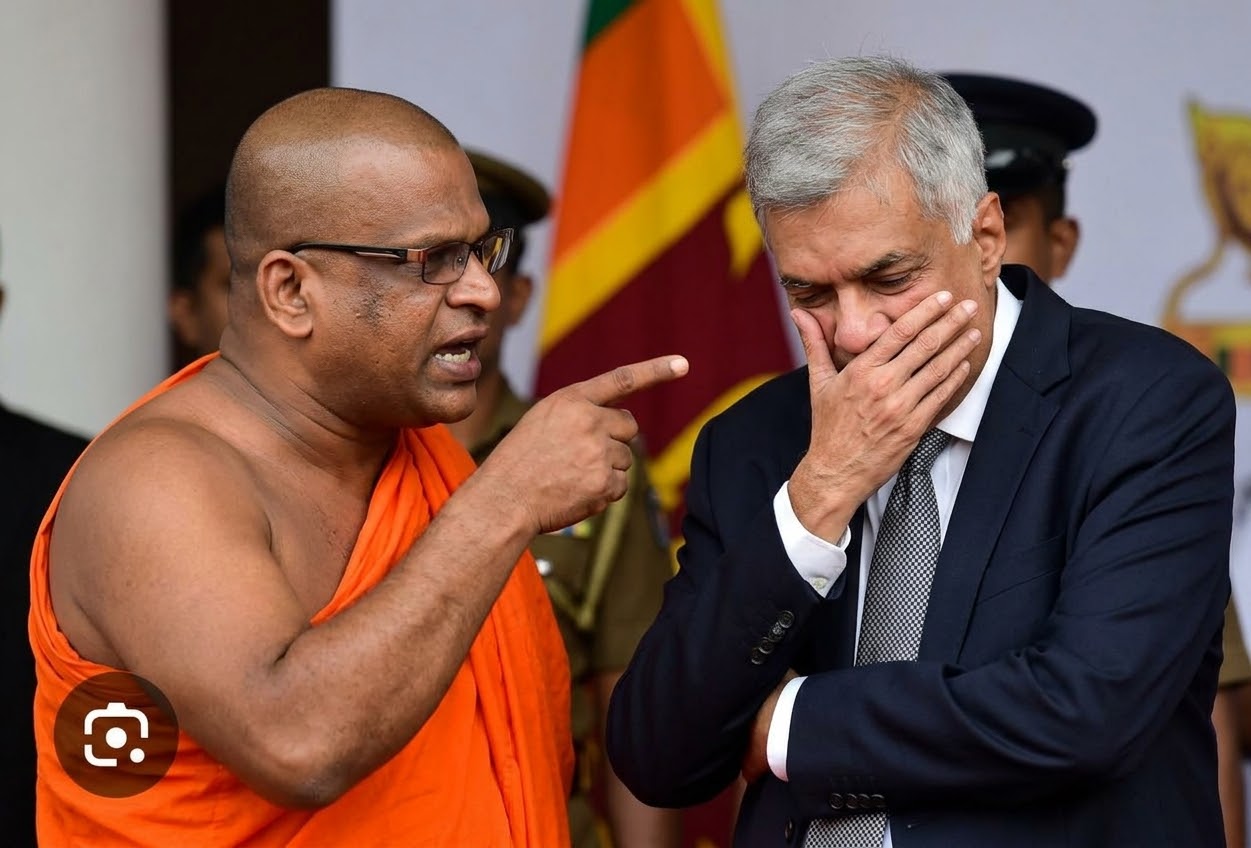
Following this discussion, one of the most prominent opinions circulating on social media was that the President had launched a good attack on the Bar Association President, causing him to 'fall on all fours'. Accordingly, those who hold that opinion seem to have become excited.
The purpose of this article is to explain what national and international movements are necessary to understand what actually happened that day, and who is or is about to fall on all fours.
Have the positions changed after the discussion?...
The government is proposing that the constitutional amendment to extend the retirement age of judges is being brought for the purposes of efficiency, reducing the backlog of cases, and retaining experience.
The Bar Association and other parties, including the opposition parties, are raising the issue that this amendment will affect judicial independence.
There is no information that the position of the Bar Association, that is, their position against the measures taken to extend the retirement age of judges, has changed so far, either during the recent discussion with the President or thereafter.
In that discussion, they have requested that decisions such as increasing the number of courts or changing the retirement age should not be taken hastily, but only after extensive discussion and consensus with the entire field, that is, lawyers, scholars, and researchers.
The President's view was that the decision to extend the retirement age was not targeted at any individual and was a policy decision taken in the public interest. He was of the opinion that this was only one part of the program to strengthen the entire judicial system.
Thus, it appears that both parties are continuing to maintain their original positions.
Protest from France......
It is no secret that protests have been raised both nationally and internationally regarding the 22nd Amendment to the Constitution.
The French National Bar Council (Conseil National des Barreaux- CNB) has already expressed its opposition and regret to the Sri Lankan authorities regarding the proposal to extend the retirement age of Sri Lankan judges.
The French Bar Council has passed a special resolution expressing its full support for the opposition and opinion expressed by the Sri Lankan Bar Association in this regard. In the resolution, they state that the new amendment may raise doubts among the public that the independence of the judiciary will be affected by the executive.
They have also requested the Sri Lankan authorities to refrain from proceeding with this amendment and to conduct extensive consultations with the relevant parties regarding any changes related to the judiciary. Their proposal has been published on the official website of the National Bar Association, cnb.avocat.fr.
Opposition from Commonwealth countries...
In addition, the Commonwealth Lawyers Association (CLA) has issued a statement expressing its position against this amendment. The Commonwealth Lawyers Association is an organization representing lawyers and law societies from 56 Commonwealth countries.
They are of the opinion that adding amendments to a constitution in parts reduces the strength and dignity of the constitution. They have also emphasized that the independence of the judiciary must be protected by the Latimer House Principles, to which Commonwealth countries are bound, and that the sudden extension of the terms of current judges would damage public confidence in the judiciary.
On the other hand, leading networks and human rights monitoring groups in the international legal field have expressed support for the Bar Association of Sri Lanka and pointed out many points.
The nature of India's opposition...
In addition, views have also been expressed by senior lawyers in India and international Asian legal organizations.
Mr. Shyam Diwan, a leading senior lawyer of the Supreme Court of India and a former president of the Bar Association of Asia and the Pacific (LAWASIA), has expressed his serious regret and legal observations on this.
He has pointed out that the fear and suspicion in the legal community that this amendment, which the Sri Lankan government is trying to bring about suddenly, could have a serious impact on the independence of the judiciary and the rule of law is justified.
The way foreign states exert influence...
Usually, most foreign states do not directly issue statements at the diplomatic level about internal legal amendments in another country. Instead, they exert such pressure to protect the rule of law through their countries' bar associations and international organizations.
Considering all this, the "Kochok question" that those who have accepted the 22nd Amendment head on and are excited about it, is the Bar Association President's health now? has received a clear answer.
Has the 'health' improved more than expected?..
In other words, the Bar Association President has now achieved his goal. It will be necessary to accept, even if reluctantly, that they have acted in a way that the Bar Association's opinion is accepted to some extent nationally and internationally in full. Accordingly, it seems that his 'health' is improving better than expected.
The main argument put forward by the government and pro-government parties in favor of implementing the 22nd Amendment in the same manner is that this will allow for the retention of senior judges who are experienced and pro-government in the system to expedite and punish the cases currently pending against corrupt politicians and officials. This is undoubtedly a very popular and attractive argument politically among the public.
However, it cannot be ruled out that there are many practical and legal problems with this argument when legal, constitutional and democratic principles are followed.
The "Punish the Corrupt" Label....
A constitution is not one that should be changed to target a specific judge, individual, or a few specific cases. Also, if the rules of the constitution are relaxed for a "good cause" at some point, it is certain that another government in the future will use the same precedent (under the label of "Punish the Corrupt") to keep the judges it wants or to conduct cases as it wishes.
The accepted principle in the legal field is that "Judges are part of the system, not the whole system". The trial and punishment of corruption cases are carried out by constitutional laws and not by the personal will of a specific judge. Even if a judge retires, the next judge has full legal power and ability to continue the case and give the right decision based on the evidence.
If we want to punish quickly...
If we want to punish corruption cases quickly, we need to strengthen the special three-member High Court system that hears corruption and financial crime cases on a daily basis. We also need to fill the existing vacancies quickly and recruit new judges for the lower courts.
The main reason for the delay in cases is the delay in investigations and the delay in filing cases. Providing technical and human resources to these institutions can speed up cases.
Although punishing the corrupt and speeding up cases is the aspiration of the entire society, it should be done through structural reforms and strengthening the institutions of the judicial system, and not through measures that can be interpreted as executive intervention, such as changing the terms of office of judges as provided for in the Constitution.
Putting opponents in one bag...
Opponents of this amendment have different objectives. If the government and parties loyal to the government try to criticize or attack all of these in one bag, it will either show their incompetence. Or it will be a sign of arrogance.
It is the responsibility of the government to recognize and act on the clear difference between the objectives of the legal community, including the Bar Association and legal scholars, and the objectives of the corrupt politicians. Otherwise, the problems will only become more complicated than they are solved.
The objective of the legal community, led by the Bar Association, is to protect the independence of the judiciary, the rule of law, and the stability of the constitution. In their opinion, it is a bad precedent for the executive to change the terms of judges at will, regardless of who the government is.
The objectives of the opposition political parties are completely different. One of their objectives is to gain political advantage against the government by portraying this amendment as a dictatorial move by the government.
Also, the other strong point of the opposition from the opposition political parties is the aim of delaying the cases or avoiding punishment by allowing the judges hearing the cases against them to retire.
The people also have that feeling. It's fair. But the main tragic situation that we have to face as a country is that we are ready to use a wrong precedent for a fair purpose.
What will happen if we proceed without amendment...
However, if the government unilaterally proceeds with this decision without any amendment, it cannot be ruled out that it will face a number of very serious national and international problems.
Nationally, there is a possibility of a breakdown in the judicial system. Parties in the legal sector, including the Bar Association, may withdraw from court proceedings, resort to protests or work strikes.
The general public, who come to court daily due to the delay in trial proceedings due to lawyers' strikes, may face great difficulties.
On the other hand, at the international level, the government may have to face economic and diplomatic pressure. The GSP+ tax concession of the European Union and the IMF "Independence and good governance of the judiciary" is a key factor in obtaining premiums. These concessions may be reviewed in the face of pressure from international law associations.
The growing international perception that the executive is influencing the judiciary is also likely to undermine the confidence of foreign investors in Sri Lanka.
Is there no room for change in the decision?
When all these circumstances are considered in depth, no one can say that there is no room for change in the government's decision. Although the political parties have shown that they are in a strong position, there have been many cases where governments have reconsidered their decisions in the face of practical and diplomatic realities. Such incidents are not unusual.
Therefore, this amendment is more likely to be changed with some amendments than to be unilaterally passed in its current form.
Since there is still time for that, it is necessary to ask the President of the Bar Association, "Is the blood healthy?" Or it would be wise not to be so quick to say "the Bar Association has fallen on all fours".
Raigam Kankanamge Anjana ✍️